“The Push” Book Club Questions (Ashley Audrain)
These are the discussion questions we used in our Busy with Books book club session for “The Push” by Ashley Audrain, shared here for anyone who wants to use them for their own book club, or just needs space to sit with a book that got under your skin and refused to leave.
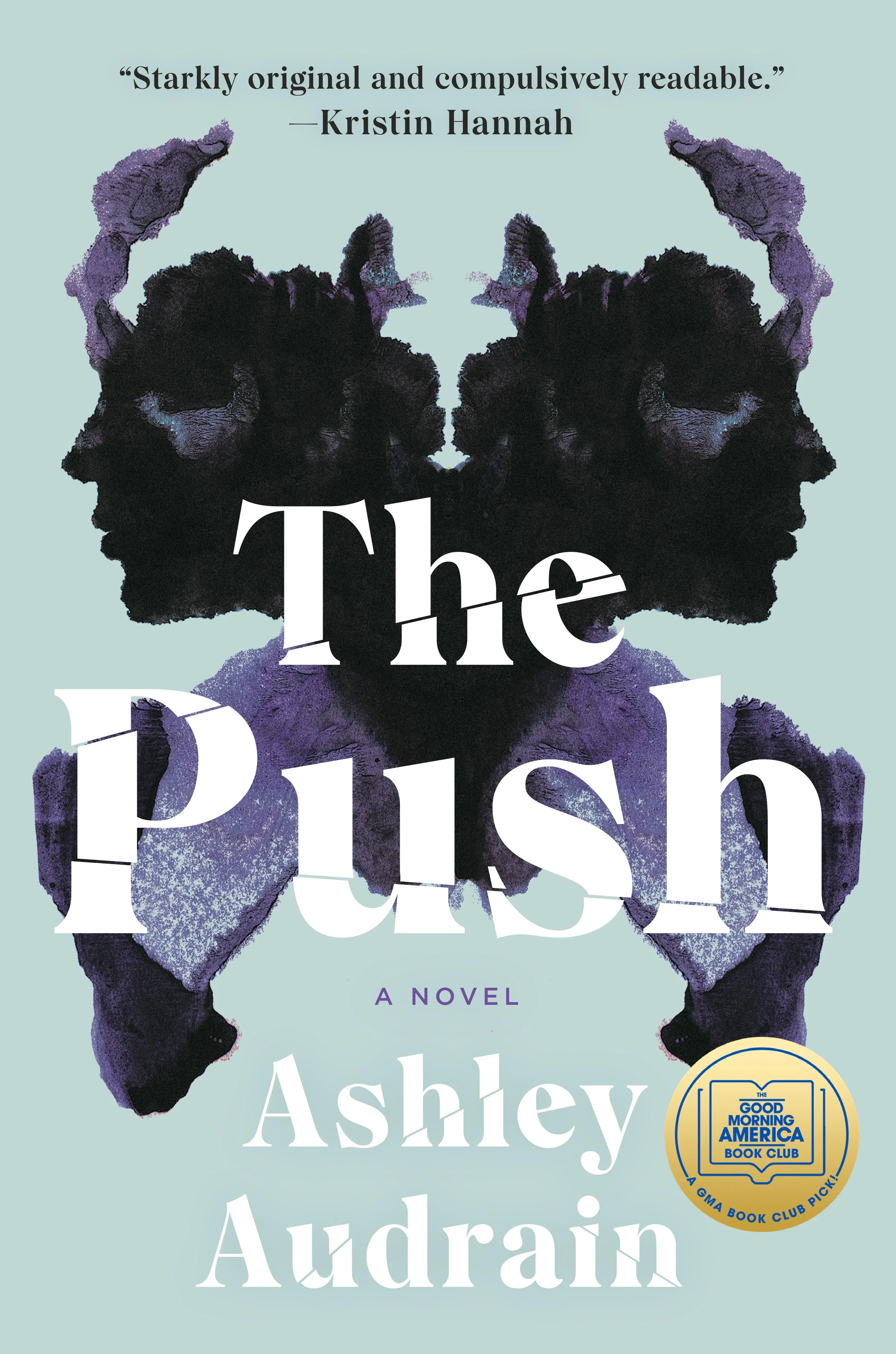
Ashley Audrain's debut novel is not a comfortable read. It's a claustrophobic, unsettling, brilliantly written portrait of a woman unravelling — or possibly just telling the truth. A story about motherhood, inherited trauma, and what happens when the people closest to you refuse to believe you.
Whether you're running a book club discussion or you've just finished it alone at midnight with your jaw on the floor, these The Push discussion questions are for you.
Before we get into it: did you like the book?
Did you like The Push? Did you expect to? Did it grip you immediately, or did it take a while to settle into?
What did you make of the cover and the title? Did your interpretation of either change by the time you finished?
Questions about Blythe and the unreliable narrator
Do you consider Blythe a reliable narrator? How did your perception of her shift as the story unfolded? Was there a specific moment where you stopped trusting her — or started? What triggered that shift?
Did you relate to Blythe's conflicted feelings about motherhood? How does the novel challenge the version of motherhood we're usually sold — the instinctive, fulfilling, identity-completing kind?
Questions about motherhood and societal expectations
The Push has a lot to say about what we expect of mothers. And none of it is comfortable.
Motherhood is so often presented as something women are naturally made for — joyful, instinctive, complete. How does the novel push back on that? What do you think society expects motherhood to look and feel like, and what does that expectation cost women who don't — or can't — fit the mould?
How much of ourselves are we actually obligated to give our children? Is unconditional love and selflessness the definition of a good mother — or is that idea itself part of the problem?
Questions about generational trauma and nature vs nurture
What role does generational trauma play in the novel? Do you think Blythe was destined to struggle because of her mother and grandmother's histories? How much do we carry forward from the generation before us — and is it ever truly possible to break the cycle?
Did you ever feel sorry for Violet? What role do nature and nurture each play in how she turns out?
Violet is one of the most debated characters in recent fiction. Do you think she was born the way she is, or shaped into it? And more broadly: when children become dangerous, where does the blame actually sit?
Questions about Fox and the supporting cast
What about Fox? Did you sympathise with him at any point, or did you feel he failed Blythe from the very beginning? Was he right to put his child before his wife?
Gemma and Blythe's relationship: even though it was built on a lie, do you think there was real friendship and genuine understanding there? Do you think Gemma was always being truthful with Blythe about her feelings for Violet?
Questions about grief and structure
What role does grief play in the novel? Is there a point where it becomes a turning point for Blythe — and if so, how?
The novel is written as a letter to Fox. How did that narrative choice affect your reading experience? Could this story have worked if it had been told from Fox's perspective — or even Violet's? Why or why not?
Busy with Books is a reading community built around retreats and monthly book club discussions across Australia and New Zealand. Members get access to all our discussion replays — including this one. If you want in on the next book, and everything we've already read, join us here.